





 Overview
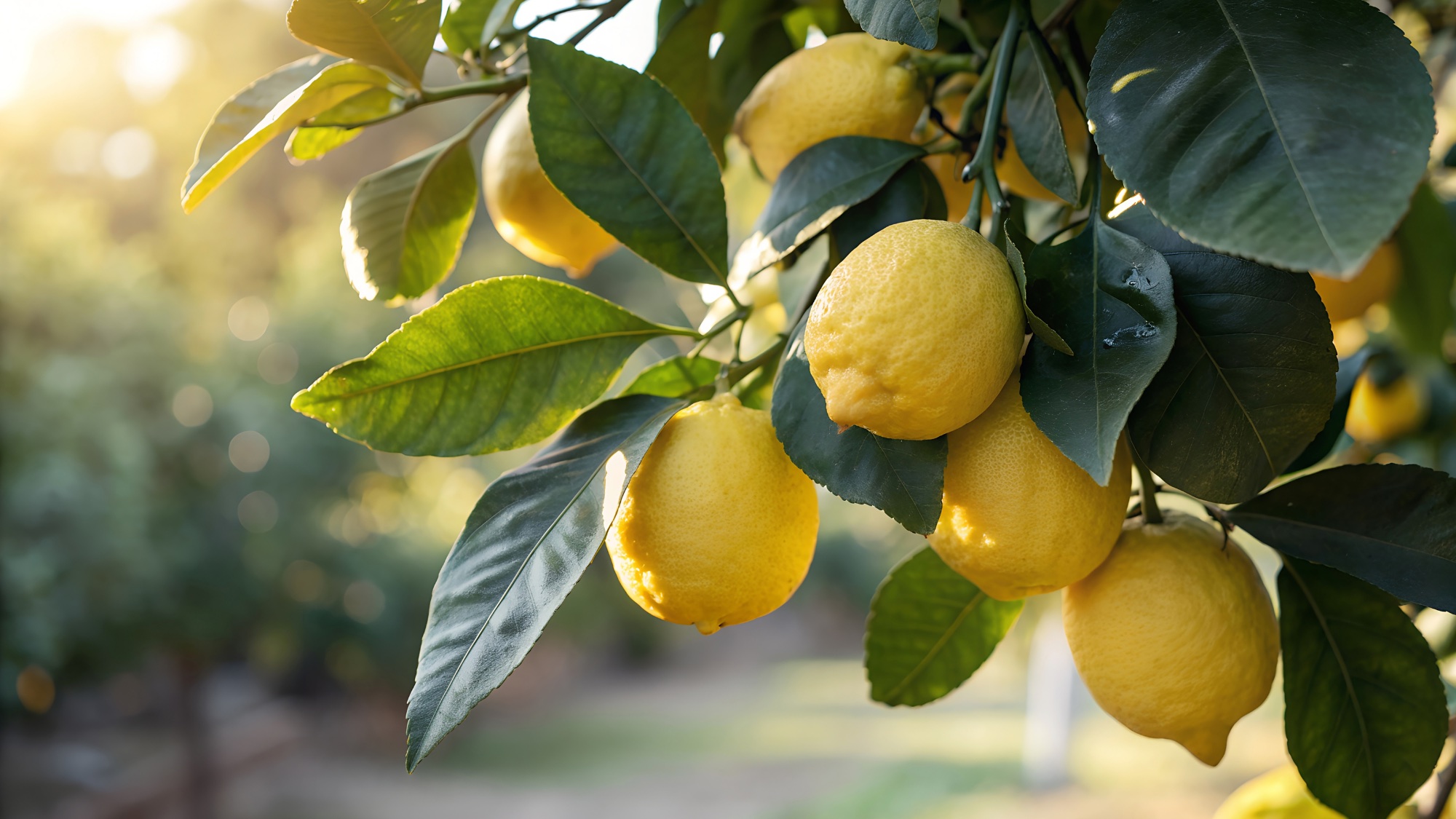
Computomics is proud to have been selected as a partner for the EIC Pathfinder research project CitrusAId, “Biotechnological Engineering in Cultivated Citrus Species for Multiple Stress Tolerance and Enhanced Nutraceutical Properties”.
Background
The European Innovation Council (EIC) recently announced the results of the 2025 EIC Pathfinder Challenges call, selecting 30 breakthrough research projects for approximately €118 million in EU funding. The results cover four strategic research challenge areas: climate-resilient crops and plant-based biomanufacturing, generative AI for cancer diagnosis and treatment, autonomous robot collectives for construction, and waste-to-value devices for renewable fuels, chemicals and materials. The 30 funded projects were highly selective, only about 1 in 22 eligible proposals was selected.
CitrusAId Project
For the challenge “Biotech for Climate-Resilient Crops and Plant-Based Biomanufacturing”, seven projects were selected. One of them Is CitrusAId.
CitrusAId project aims to develop cutting-edge biotechnological tools to create improved citrus plants that can better withstand environmental stresses such as drought, heat, pest and diseases, while also offering enhanced nutraceutical properties through the enrichment of beneficial compounds and the reduction of undesirable ones. Citrus is one of the most widespread fruit crops worldwide with an important socioeconomic impact in the Mediterranean area. Central to the project is the use of artificial intelligence (AI) to analyze large-scale omics datasets and in-house resources, enabling predictive identification of promising gene candidates for targeted genetic engineering.
The proposal also aims to support innovative genetic engineering strategies (CRISPR/Cas9 and RNAi) based on the use of novel bionanomaterials as tunable carriers do deliver gRNA, dsRNA and Cas9 protein, enabling the generation of transgene free plant material.
The research extends from the molecular to the organismal level: seedlings will be analyzed under stress conditions using phenotypic, transcriptional, metabolomic, and hormonal profiling, while fruits will be assessed for the enrichment in native (flavonoids) and non-native (stilbenes) nutraceutical compounds considering any potential side effects on sensory quality.
The work plan of CitrusAId is structured into 11 complementary and interconnected work packages (WP) that combine AI-driven gene discovery, novel hybrid nanomaterials-based genetic engineering methodologies, automated phenotyping, and sustainability assessments, along with dissemination and management activities.
Computomics’ contribution
Computomics will lead the development of AI-based methods to integrate citrus phenotypic, genomic, transcriptomic and metabolomic data from across the consortium. Using interpretable AI models, Computomics will identify and prioritize candidate genes, genetic markers, transcripts and metabolites associated with multifactorial stress tolerance and improved fruit nutritional quality, while revealing relevant regulatory and metabolic interactions. These results will provide targets for subsequent genetic engineering and support citrus breeding decisions.
Partners
CitrusAId consortium is constituted by 11 partners from Spain, France, Italy, and Germany, coordinated by Universitat Jaume I de Castellon, Spain. The duration of the project has been established as 48 months, which enables CitrusAId to deliver a proof-of-concept of the efficacy of the developed technologies providing viable plants by the end of the project implementation.
More information

Dr. Alaukik Saxena
Machine Learning Scientist at Computomics
Reach out to Alaukik Saxena to find out more.
Links
EIC: EIC awards €118 million to 30 breakthrough research projects under EIC Pathfinder Challenges
rasph: EIC Pathfinder Challenges Results 2026: €118 Million for 30 Breakthrough Research Projects

Share on

